· 4 min read
A wave of legal warnings over music in Reels
Music makes Reels emotional – and that is becoming a problem for many accounts. Since 2024, legal warnings over music on Instagram and TikTok have piled up in Germany. A single Reel can be enough.
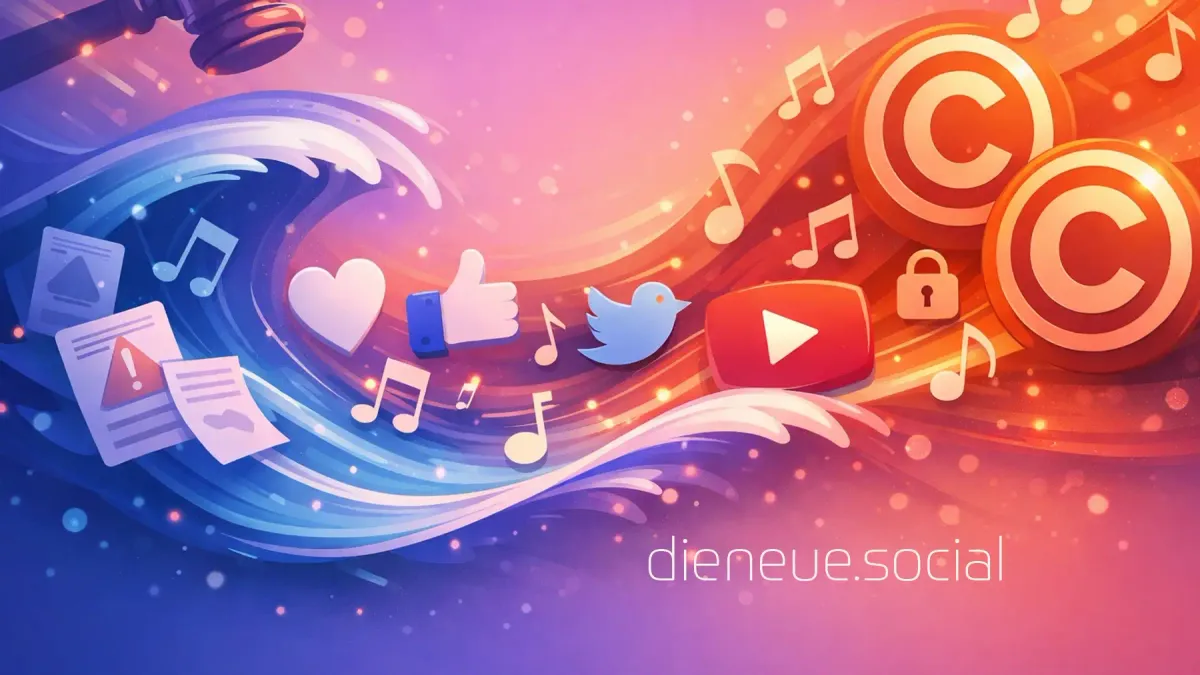
A wave of legal warnings over music on Instagram and TikTok: why Reels can suddenly get expensive
Music makes Reels, Shorts and Stories emotional. That’s exactly what is becoming a problem for many social media accounts right now.
Since around 2024, media, industry associations and lawyers in Germany have been reporting a noticeable rise in cease-and-desist letters (known in Germany as “Abmahnungen”) over music used on Instagram, TikTok and YouTube Shorts. The claims are often in the four-figure range. In some cases even higher.
And it’s not just big brands or agencies that are affected. It most often hits small businesses, solo freelancers, clubs and associations, cultural institutions or creators with a modest reach.
Often a single Reel is enough.
A short snippet of a well-known song in the background – and a few weeks later a letter from a specialised law firm lands in the mailbox. With a cease-and-desist declaration, legal fees and a claim for damages.
Why music on social media is legally tricky
The core of the problem is simple: music is protected by copyright.
Under the German Copyright Act (UrhG), music may in principle only be used if there is a licence for it. That applies not only to complete songs but also to short snippets. Copyright law in other countries works along similar lines.
Many social media posts don’t meet these requirements.
The usual exceptions in copyright law – such as private copying or the right to quote – practically never apply to classic social media posts. Legally, a Reel with a song in the background is a public performance. That requires a corresponding licence.
And that’s exactly where the problem starts.
The most common mistake: music from the Instagram library is not automatically allowed
Many creators assume that a song may automatically be used if it is available in the music library of Instagram or TikTok.
That’s only partly true.
The platforms’ licences are primarily designed for private use. If you run a personal profile with no business background, you are often within this licensing structure.
It’s different for commercial accounts.
These include, among others:
- companies
- freelancers and the self-employed
- influencers with brand partnerships
- institutions and organisations
- clubs or educational institutions doing public relations
As soon as an account counts as commercial, the use of a song may no longer automatically be covered by the platform licences. Rights holders and specialised law firms are increasingly exploiting exactly this grey area.
Four-figure claims for a single Reel
Various media reports and legal blogs now document concrete cases.
Typical claims range between:
- €2,000 and €5,000
- in some cases over €10,000
And that for a single video.
The letters usually come from law firms specialising in copyright, acting on behalf of music labels or rights management companies. Certain songs are often monitored systematically.
When matching Reels are found, serial warnings follow.
Many of those affected are surprised. The most common reaction, roughly:
“But the song was right there in the Instagram music library.”
Legally, however, that doesn’t necessarily matter.
Particularly at risk: small accounts and institutions
Ironically, this development often hits not the big influencers or corporations but smaller accounts.
For example:
- local businesses
- restaurants or hotels
- clubs and associations
- cultural institutions
- schools or educational institutions
- solo freelancers
For these groups, a claim of several thousand euros can quickly become a serious financial burden.
While big brands have legal departments, small organisations often have to deal with such cases on the fly.
Music in Reels is becoming a compliance issue
For people responsible for social media, this means a clear change.
Music in Reels is no longer just a creative element. It is a legal risk.
If you run social media professionally, you should follow a few basic rules:
1. Use licensed music libraries
The safest option is music from platforms like:
- Artlist
- Epidemic Sound
- PremiumBeat
- or comparable licensing libraries
They offer clearly defined usage rights for commercial content.
2. Use the platforms’ commercial music libraries
Instagram and TikTok partly provide separate libraries for business accounts.
3. Check existing content
Older Reels in particular should be reviewed regularly. Many warnings concern videos that have been online for months or years.
4. Don’t sign straight away if you receive a warning
A cease-and-desist declaration can have long-term legal consequences. So if it happens:
No knee-jerk reactions.
No hasty payment.
Get legal advice first.
Social media is growing up – and so is copyright
The time when social media was a kind of legal grey zone is slowly coming to an end.
The bigger platforms like Instagram, TikTok or YouTube get, the more copyright and licensing questions come into focus.
For creators and companies this means one thing above all:
Handling music on social media will become more professional – or more expensive.